Converting metal halides to LED by replacing bulbs
We often get asked the question ‘Can I replace metal halide bulbs with LED bulbs in the same fitting?’ Whilst this would be nice and convenient it is unfortunately not possible at present. That is not to say it will never be possible. As most of us over-30-year-olds can testify, things that were totally impossible are suddenly […]
Do I need to replace all the sport lamps with LED at one time?
A question we regularly get asked is ‘Do I need to replace all the lights at once or can I do it over time?’ The answer is definitely that if can be done in phased approach over time, but needs a touch more planning to make it successful. Get it right and you’ll be everyone’s […]
Maintenance & Installation of Sports Lights & Facilities in Australia
Good weather and an outdoor lifestyle has ensure that sport is a way of life in Australia. With a large number of facilities around the country it is usually not a far drive to the nearest club, whatever your sport of choice is. Tennis, athletics, soccer, footy, cricket or equestrian – you name it […]
Is Lumens or Lux more important for sport lighting?
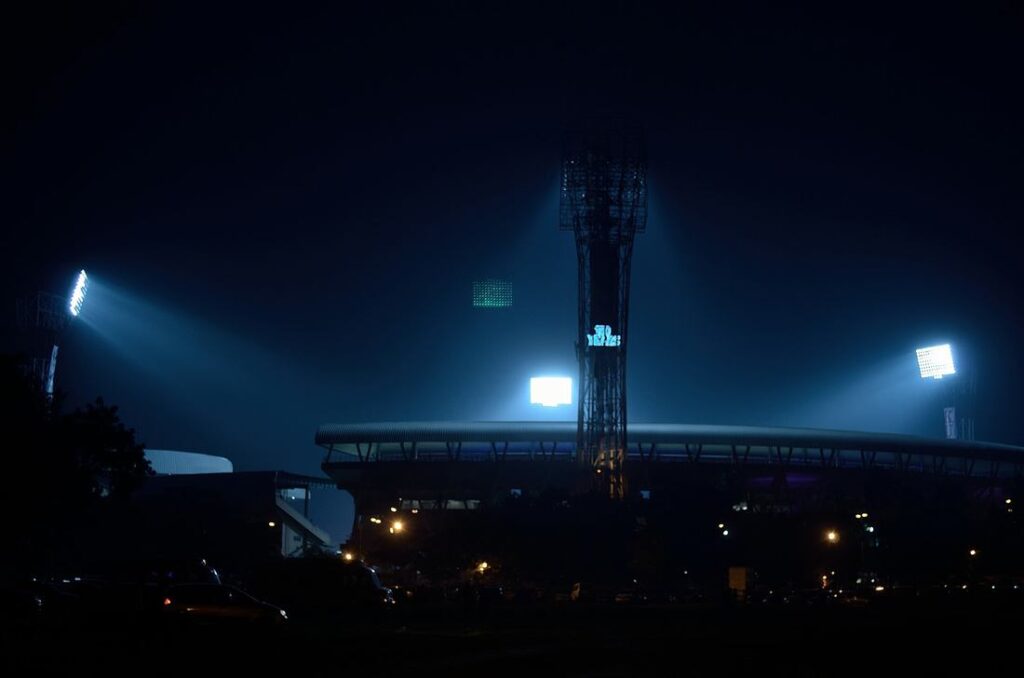
Getting enough light on the ground without bothering the neighbours is a great start to a good game of evening football. When evaluating what will, or won’t, work there is a number of parameters that will affect the results. Lumens and Lux are 2 of the most common to be looked into so let’s explain […]
Are LED fittings more energy efficient than 2kW Metal Halide for sports fields?
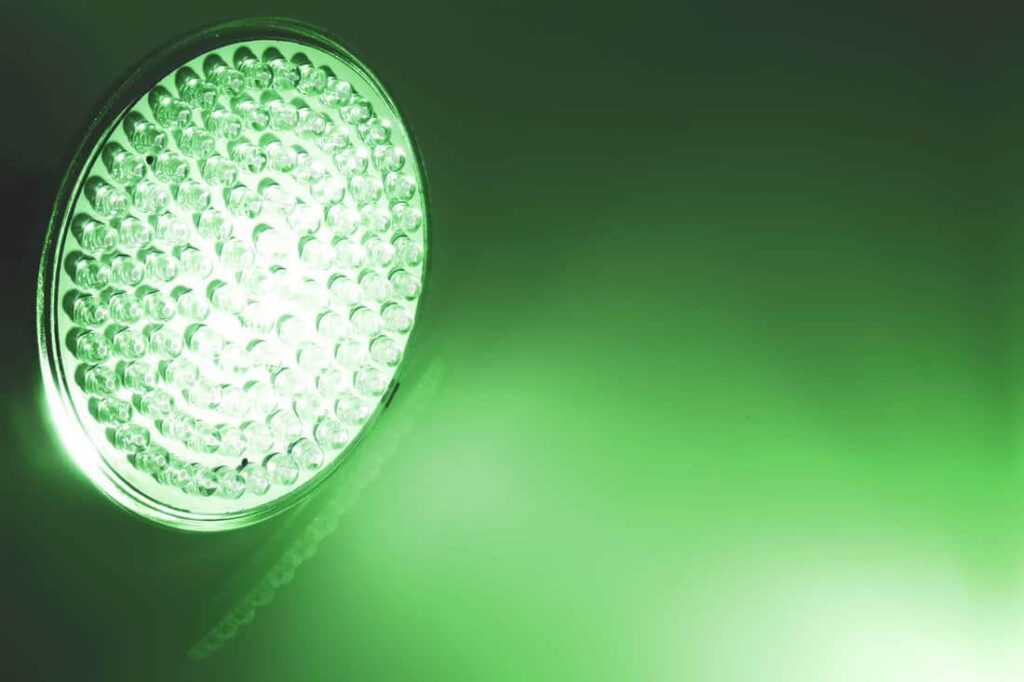
If you have looked into LED lighting at all you will have noticed there is dozens, if not hundreds, of options. So, as you can imagine, there a dozens, if not hundreds, of variations to the answer of this question. They range from 100W to 1500W, big fins, small fins, fan assisted, metal pressed, die […]
Why LED Sports Lights Fail
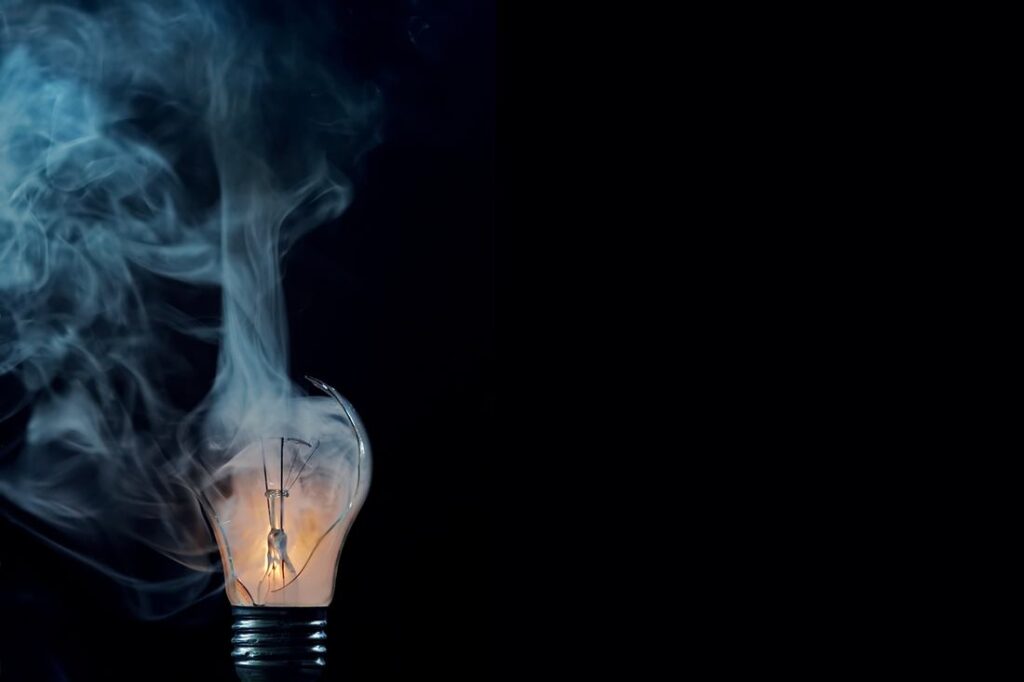
A key difference between traditional metal halide fittings and LED fittings is the maintenance costs. The basic housing for the metal halide fittings can last for 10’s of years but the bulbs need to be replaced regularly as they lose 20-25% of their efficiency within the first 250 hours of operation. By contrast LED fittings […]
What lighting levels are required for sport and how is it regulated?
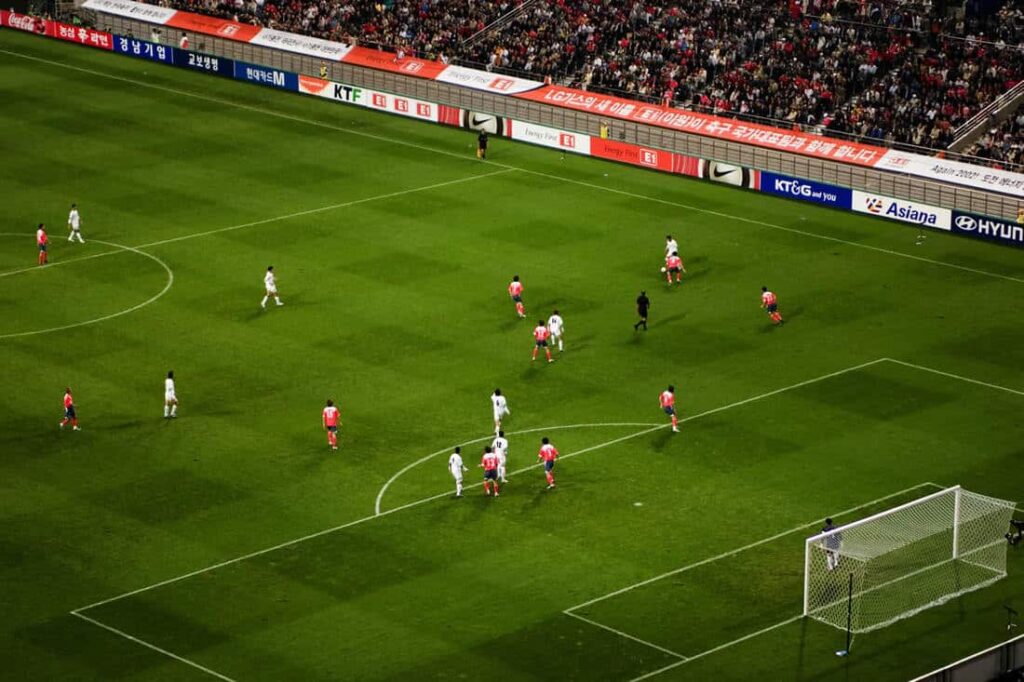
On the field, lighting levels are measured with a light, or lux, meter. The results are expressed in Lux (lumens/m2) or foot candles (lumens/ft2). This gives an objective measurement of the amount of light at a specific point. However, prior to achieving this, the layout is planned using a digital file called an IES file. […]
How much do LED sports lights cost?
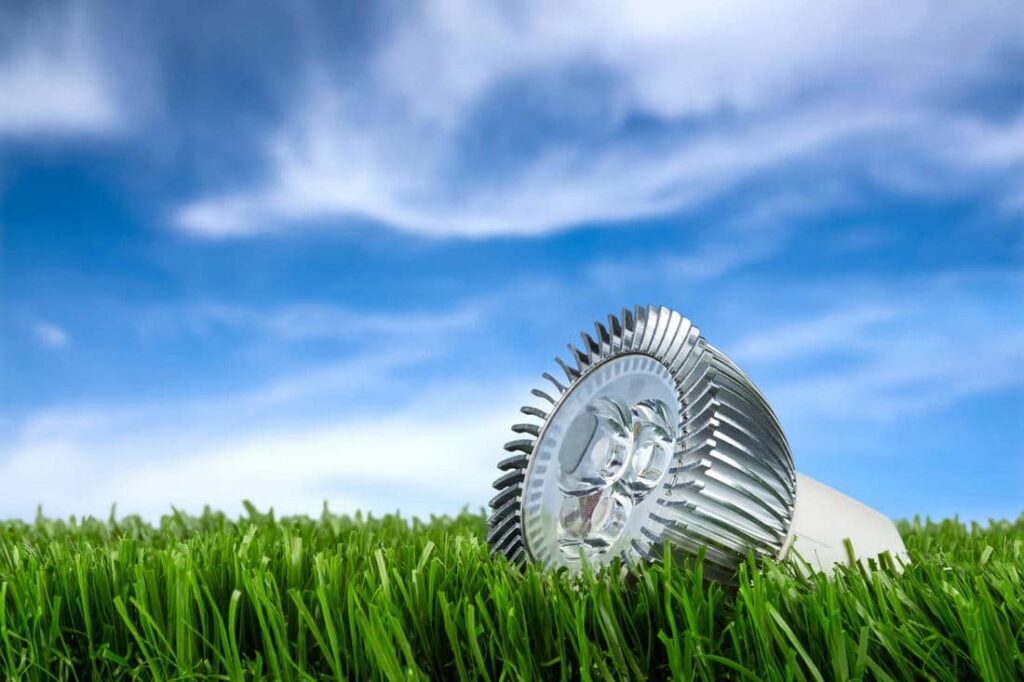
High powered LED sports lights come in a myriad of shapes and sizes, beam patterns and CRI’s. With the benefits of being digital there is amazing things that can be done with them to create effects, dim, flash etc. and are all features that can enhance the user experience and make your sports field much […]
Can I replace 2kW metal halide fittings 1 for 1 with LED for sport applications?
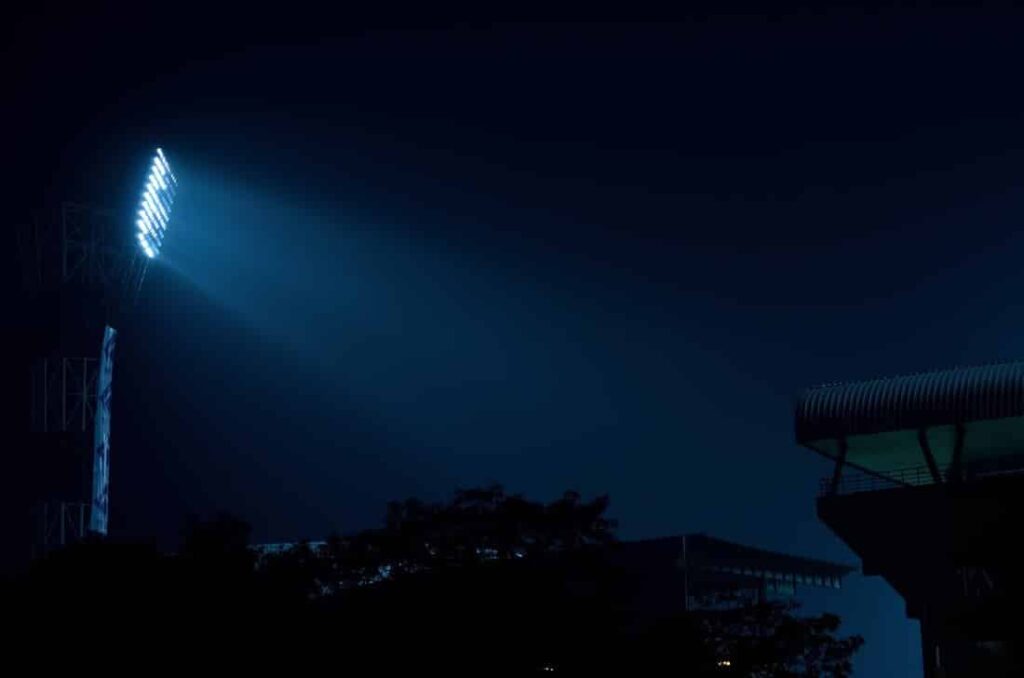
Sport lighting is a specialised and complex science. The lighting level, evenness, glare, CRI, heights and spill-light control are all aspects the designer has to take into account and all these parameters vary depending on the application. For a game where the ball is small and fast moving, like tennis, high lighting levels are required […]
What is the difference between halogen, HID, metal halide and LED lamps in sport applications?
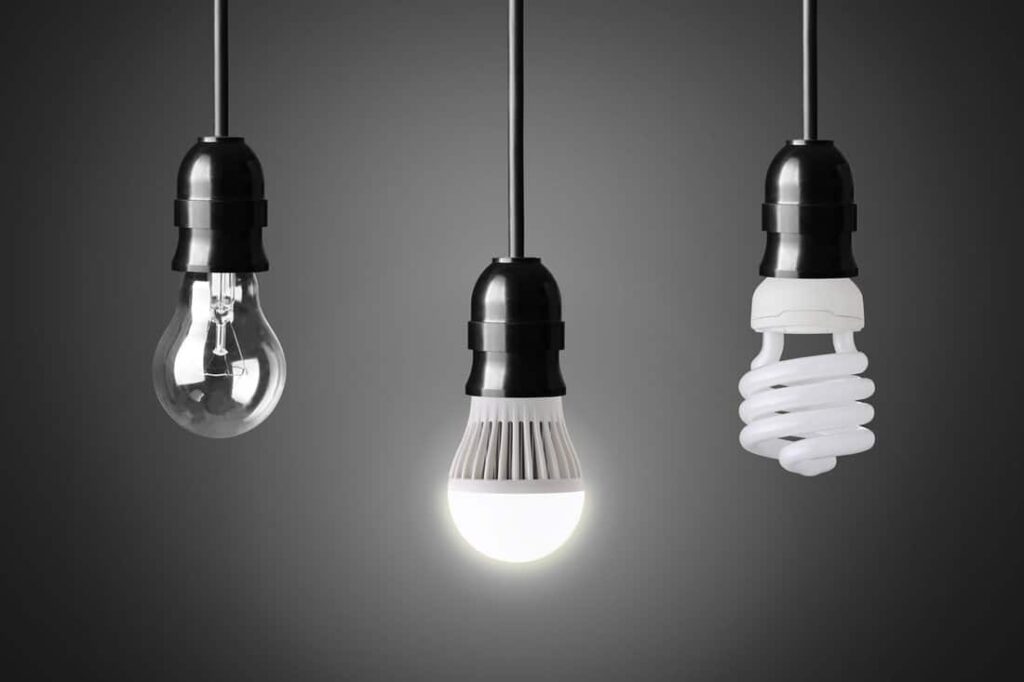
There are currently three main forms of lighting used in sport applications. Filament (halogen), discharge (metal halide and HID) and LED. All have benefits and disadvantages in certain circumstances and it’s important to understand these when considering an upgrade or changing lights. Traditional halogen lamps use a filament which heats up as the electricity passes […]